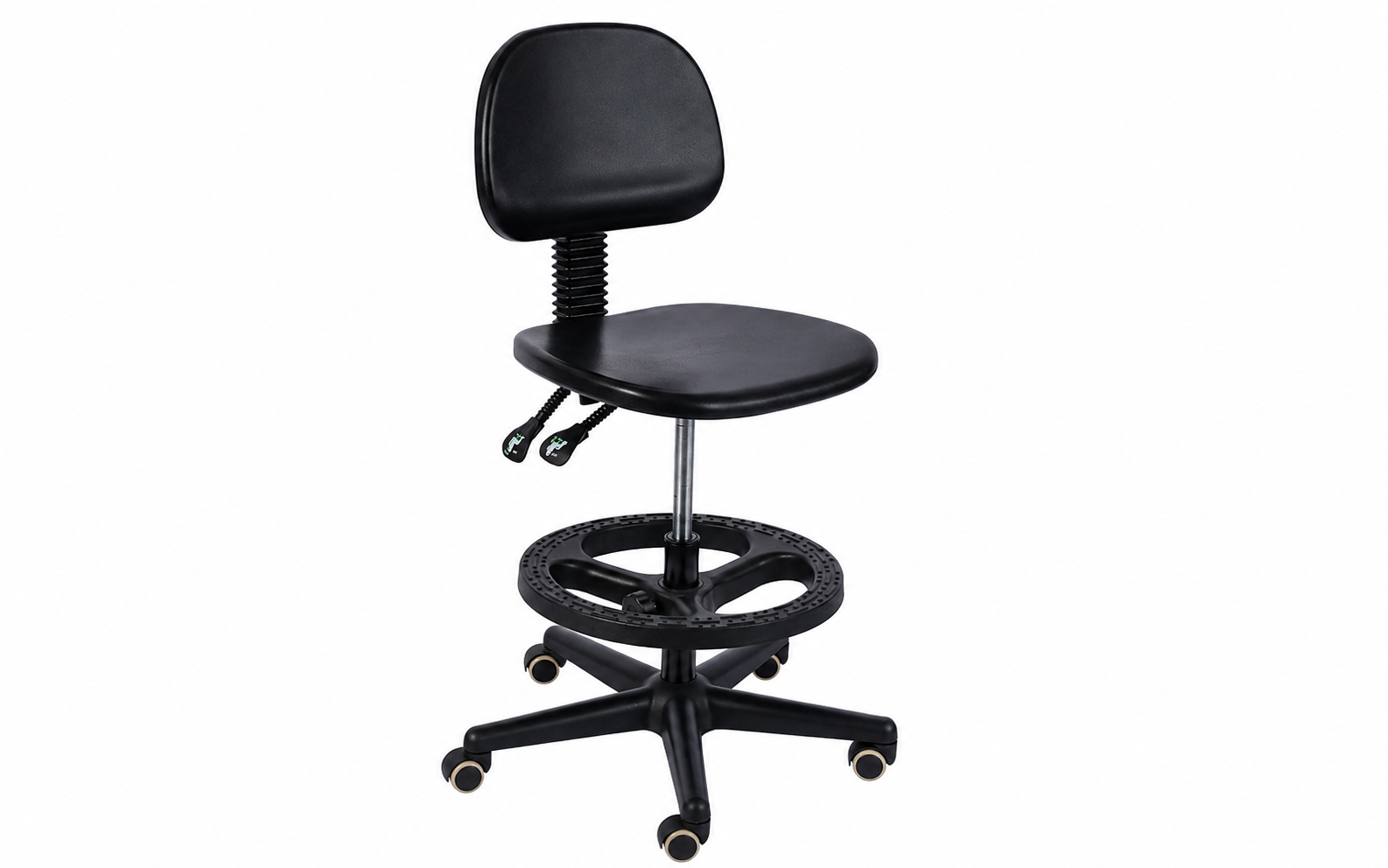
As competition intensifies across Mexico’s laboratory furniture market, distributors are increasingly focused on finding sustainable ways to increase channel profitability without sacrificing service quality or customer satisfaction. Laboratories, healthcare facilities, pharmaceutical manufacturers, universities, and industrial testing organizations expect distributors to deliver reliable products, responsive support, and competitive pricing. Meeting these expectations while maintaining healthy profit margins requires a more strategic business model than simply increasing sales volume. One of the most effective approaches involves product standardization and portfolio optimization. Rather than carrying an excessive number of similar products that complicate inventory management and purchasing processes, distributors can focus on high-demand, high-performance solutions that satisfy a wide range of customer requirements. The industrial polyurethane with chrome foot ring and casters adjustable laboratory chair represents an example of a product that supports this strategy because it combines ergonomic performance, durability, mobility, and maintenance efficiency within a single solution. By concentrating purchasing power on standardized products, distributors can negotiate better pricing with manufacturers, reduce inventory complexity, and improve forecasting accuracy. This streamlined approach reduces storage costs while increasing inventory turnover rates. Furthermore, distributors can strengthen profitability by developing deeper relationships with key B2B customers and focusing on long-term account growth rather than individual transactions. Laboratories increasingly value suppliers that understand their operational requirements and provide guidance regarding procurement planning, product standardization, and lifecycle cost management. By acting as trusted advisors rather than product resellers, distributors can create stronger customer loyalty and generate recurring revenue opportunities. In addition, value-based selling enables distributors to differentiate themselves from competitors that rely primarily on price competition, protecting margins while delivering greater value to customers.
Operational efficiency is another critical factor in improving profitability while controlling costs. Many distributors face challenges related to fragmented procurement processes, inconsistent inventory management, and inefficient logistics operations. Digital transformation offers significant opportunities to address these issues. Modern inventory management systems, enterprise resource planning platforms, and customer relationship management tools provide real-time visibility into purchasing trends, stock levels, supplier performance, and customer behavior. These insights enable distributors to make more informed decisions and allocate resources more effectively. The industrial polyurethane with chrome foot ring and casters adjustable laboratory chair is often incorporated into data-driven inventory strategies because its versatility supports multiple laboratory applications while reducing the need for excessive product variations. Through predictive analytics, distributors can forecast demand more accurately, reduce excess inventory, and minimize emergency procurement costs. Logistics optimization also contributes directly to profitability. Strategic warehouse placement, route planning, and transportation coordination help reduce delivery expenses while improving customer service levels. Additionally, distributors can lower operating costs by establishing closer supplier partnerships that support flexible inventory arrangements, volume purchasing programs, and collaborative forecasting initiatives. Mexican distributors that integrate suppliers into planning processes often experience improvements in delivery reliability, purchasing efficiency, and working capital management. Another important consideration involves automation of administrative processes. Digital order processing, electronic invoicing, automated reporting, and self-service customer portals reduce manual workloads and administrative overhead. These improvements free employees to focus on higher-value activities such as customer relationship development, technical support, and business expansion. By leveraging technology to eliminate inefficiencies, distributors can simultaneously improve profitability and strengthen their competitive position in the laboratory furniture market.
Beyond operational improvements, distributors can significantly increase channel profits by expanding value-added services and developing long-term B2B partnership strategies. Customers increasingly seek comprehensive solutions rather than simply purchasing products. This trend creates opportunities for distributors to offer services such as ergonomic consultations, inventory planning support, maintenance programs, asset lifecycle management, and procurement optimization guidance. The industrial polyurethane with chrome foot ring and casters adjustable laboratory chair serves as an ideal foundation for these programs because its broad applicability allows distributors to create standardized service models that benefit a wide range of laboratory environments. For example, maintenance planning services can help laboratories extend product lifespan while reducing replacement costs, creating measurable value that strengthens customer relationships. Educational workshops, technical webinars, and workplace assessments further position distributors as industry experts and trusted advisors. These services generate additional revenue streams while increasing customer retention rates. Strategic partnerships with manufacturers also contribute to profitability by providing access to exclusive products, marketing support, training resources, and preferential pricing arrangements. Mexican distributors that collaborate closely with manufacturers can create differentiated offerings that are difficult for competitors to replicate. Additionally, customer data analytics can be used to identify cross-selling and upselling opportunities, enabling distributors to increase revenue from existing accounts without significantly increasing acquisition costs. As laboratories across Mexico continue investing in research, healthcare, and industrial development, distributors that combine operational efficiency, technology adoption, product standardization, and value-added services will be better positioned to increase channel profits while reducing operating costs. Ultimately, sustainable growth depends on creating a business model that delivers measurable value to customers while continuously improving internal efficiency and financial performance. Through strategic B2B partnerships and customer-focused innovation, laboratory chair distributors can achieve stronger margins, higher customer loyalty, and long-term competitive advantages in Mexico’s evolving laboratory marketplace.