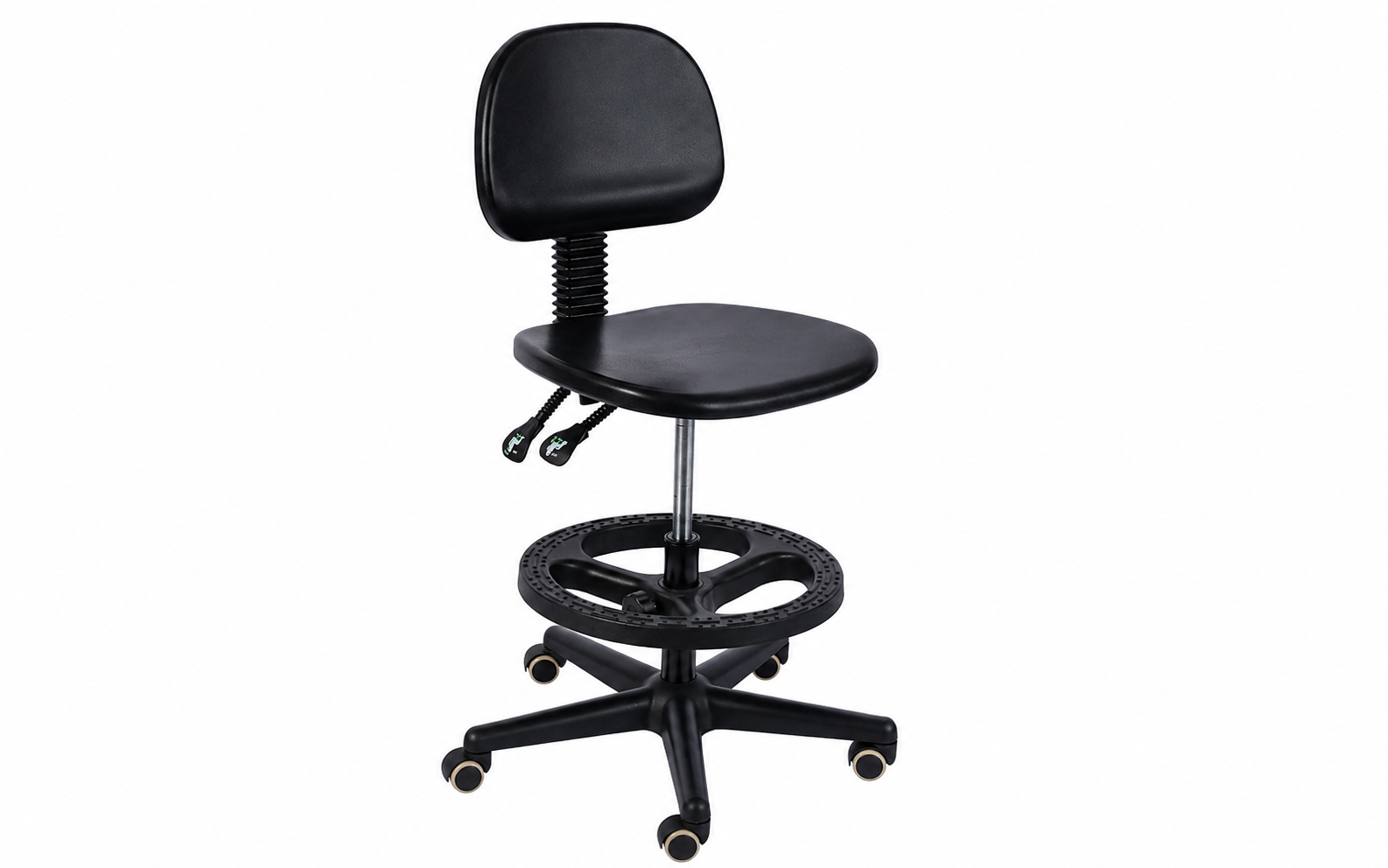
As laboratories throughout Mexico continue expanding their research capabilities and operational scale, procurement departments are increasingly turning to data analytics to improve purchasing decisions and maximize return on investment. Historically, laboratory chair procurement often relied on basic price comparisons or individual purchasing preferences. However, modern laboratories recognize that seating solutions directly influence productivity, ergonomics, maintenance costs, workforce satisfaction, and operational continuity. Data analytics enables organizations to move beyond subjective decision-making and develop procurement strategies based on measurable performance indicators. By collecting information related to product lifespan, maintenance frequency, user satisfaction, inventory turnover, replacement cycles, and supplier reliability, laboratories can identify which seating solutions generate the greatest long-term value. Products such as the industrial polyurethane with chrome foot ring and casters adjustable laboratory chair are increasingly evaluated using these analytical frameworks because they provide a combination of durability, ergonomic support, and operational flexibility that can be measured over time. Laboratories can analyze historical procurement records to identify purchasing patterns and determine which chair models perform most effectively under specific conditions. In addition, procurement teams can use data to compare total ownership costs rather than focusing solely on initial acquisition expenses. This broader perspective helps organizations understand how factors such as maintenance requirements, replacement rates, and employee productivity contribute to overall value. For Mexican laboratories operating in highly competitive industries such as biotechnology, pharmaceuticals, healthcare, food testing, and industrial research, data-driven procurement decisions create opportunities to improve efficiency while reducing unnecessary spending. B2B suppliers that provide detailed product performance information and analytical support can further strengthen these efforts by helping customers make more informed decisions based on objective evidence rather than assumptions.
Another important application of data analytics involves supplier evaluation and supply chain optimization. Many laboratories work with multiple distributors and manufacturers, making it difficult to consistently assess supplier performance. Through data collection and analysis, procurement teams can monitor key performance indicators such as delivery accuracy, lead times, order fulfillment rates, warranty claims, service responsiveness, and product quality consistency. This information allows organizations to identify the most reliable partners and develop stronger long-term relationships with suppliers that consistently deliver value. The industrial polyurethane with chrome foot ring and casters adjustable laboratory chair often becomes part of standardized procurement programs because data frequently demonstrates its effectiveness across a wide range of laboratory environments. Analytics also support demand forecasting by helping laboratories predict future procurement requirements based on staffing levels, facility expansion plans, project workloads, and historical usage patterns. More accurate forecasting reduces the risk of stock shortages and minimizes excess inventory costs. Furthermore, predictive analytics can identify potential supply chain disruptions before they impact operations, allowing procurement teams to take proactive measures. Mexican distributors serving B2B laboratory customers can differentiate themselves by offering inventory visibility tools, performance dashboards, and procurement consulting services that leverage analytical insights. These capabilities strengthen customer relationships while supporting more efficient purchasing processes. Data-driven supplier management also encourages accountability and continuous improvement, creating a procurement environment where both buyers and suppliers benefit from greater transparency and collaboration. As supply chains become increasingly complex, the ability to analyze performance data and make informed adjustments becomes a critical competitive advantage for laboratories seeking operational excellence.
Beyond procurement and supplier management, data analytics plays a crucial role in strategic planning and long-term asset optimization. Modern laboratories generate significant amounts of operational information that can be used to improve decision-making across multiple functions. By integrating procurement data with maintenance records, facility management systems, employee feedback, and financial reporting tools, organizations gain a comprehensive view of how laboratory chairs contribute to overall performance. The industrial polyurethane with chrome foot ring and casters adjustable laboratory chair is frequently incorporated into these analytical models because its standardized specifications make it easier to compare performance across multiple locations and departments. Advanced analytics can reveal trends related to utilization rates, ergonomic outcomes, maintenance costs, and replacement timing, enabling procurement teams to make proactive decisions rather than reactive purchases. In addition, digital procurement platforms and enterprise resource planning systems allow laboratories to automate data collection and reporting processes, reducing administrative workloads while improving accuracy. Mexican laboratories that adopt these technologies can create more agile procurement strategies capable of adapting to changing operational requirements and market conditions. For B2B suppliers, supporting customers with data-driven services such as lifecycle analysis, utilization reporting, and predictive replacement planning creates additional opportunities to deliver value beyond product sales. These services help establish long-term partnerships based on measurable results and mutual success. As laboratory infrastructure investment continues to grow across Mexico, organizations that embrace data analytics will be better positioned to optimize procurement efficiency, strengthen supplier relationships, reduce costs, and enhance operational performance. Data-driven procurement is no longer simply a technological enhancement; it has become a strategic capability that enables laboratories to make smarter decisions, improve resource allocation, and build more resilient and efficient research environments for the future.