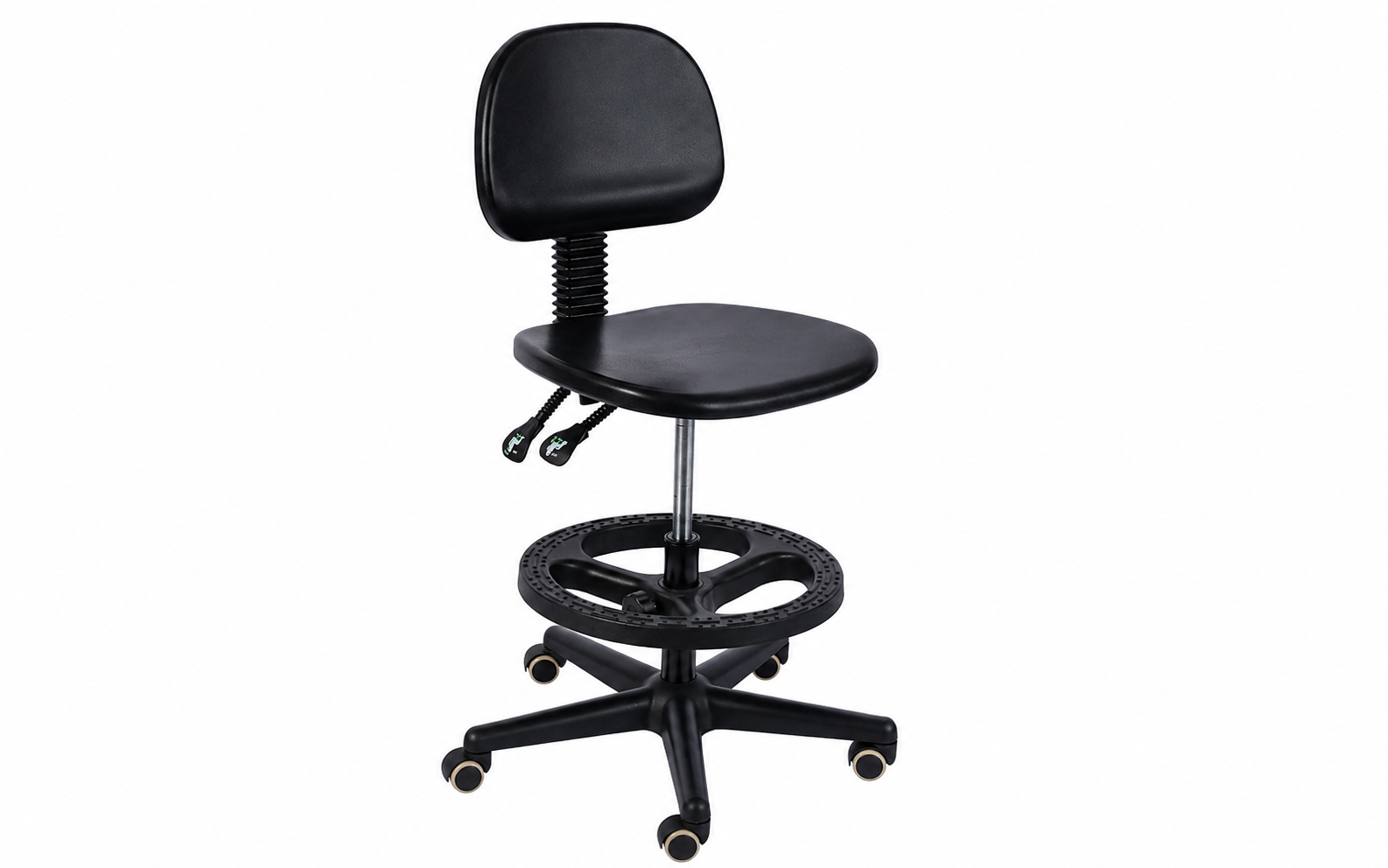
Laboratory chair procurement in Mexico has become an increasingly complex process due to the expanding scope of research facilities, healthcare institutions, universities, and industrial laboratories. Procurement cycles are often delayed by fragmented supplier communications, inconsistent inventory tracking, manual approval workflows, and variable demand forecasts. These inefficiencies can result in delayed laboratory operations, increased costs, and operational disruptions. To address these challenges, Mexican companies are adopting a more systematic approach that combines centralized procurement, supplier collaboration, and digital workflow management. Centralized procurement allows organizations to consolidate purchasing requirements across multiple facilities, standardize product selection, and streamline approval processes. Standardized products, such as the industrial polyurethane with chrome foot ring and casters adjustable laboratory chair, are particularly effective in this strategy because they offer consistent quality, ergonomic support, and operational versatility across a wide range of laboratory environments. By focusing on standardized solutions and centralizing decision-making, companies can reduce procurement lead times, eliminate redundant approvals, and improve purchasing efficiency, resulting in faster delivery and reduced administrative burden.
Supplier collaboration and long-term agreements are also key factors in shortening procurement cycles. By building strategic relationships with trusted distributors and manufacturers, Mexican laboratories can secure priority access to essential products, negotiate volume discounts, and gain better delivery guarantees. The industrial polyurethane with chrome foot ring and casters adjustable laboratory chair is frequently prioritized in these agreements due to its durability, ease of maintenance, and adaptability. Collaborative supplier arrangements enable laboratories to reduce response times for urgent orders, coordinate inventory management, and implement preventive maintenance programs that further enhance product longevity and operational continuity. In addition, leveraging supplier-provided data such as lead time analytics, historical consumption patterns, and projected demand enables procurement teams to make informed decisions, ensuring that inventory levels are optimized and procurement processes are more predictable. These practices not only accelerate procurement cycles but also enhance B2B relationships by fostering transparency, reliability, and mutual value creation.
Digital procurement platforms and predictive analytics represent another critical element in improving purchasing efficiency. Modern procurement systems allow laboratories to automate order approvals, track delivery status in real time, integrate inventory data, and generate actionable insights from historical usage patterns. The industrial polyurethane with chrome foot ring and casters adjustable laboratory chair, due to its standardized specifications, integrates seamlessly into digital catalogues and procurement workflows, allowing for quicker order processing and reduced manual intervention. Predictive analytics enables laboratories to anticipate demand fluctuations, plan replenishment schedules, and avoid emergency orders that can disrupt workflows. Additionally, technology-driven reporting allows management to monitor key performance indicators such as order cycle time, supplier reliability, and inventory turnover, enabling continuous improvement of procurement strategies. Mexican laboratories that leverage these digital tools gain a competitive advantage by shortening procurement cycles, reducing operational costs, and increasing overall B2B efficiency. By combining centralized procurement, strategic supplier partnerships, standardized products, and digital analytics, companies can create a faster, more agile, and cost-effective laboratory chair procurement process that supports operational excellence and long-term business success.