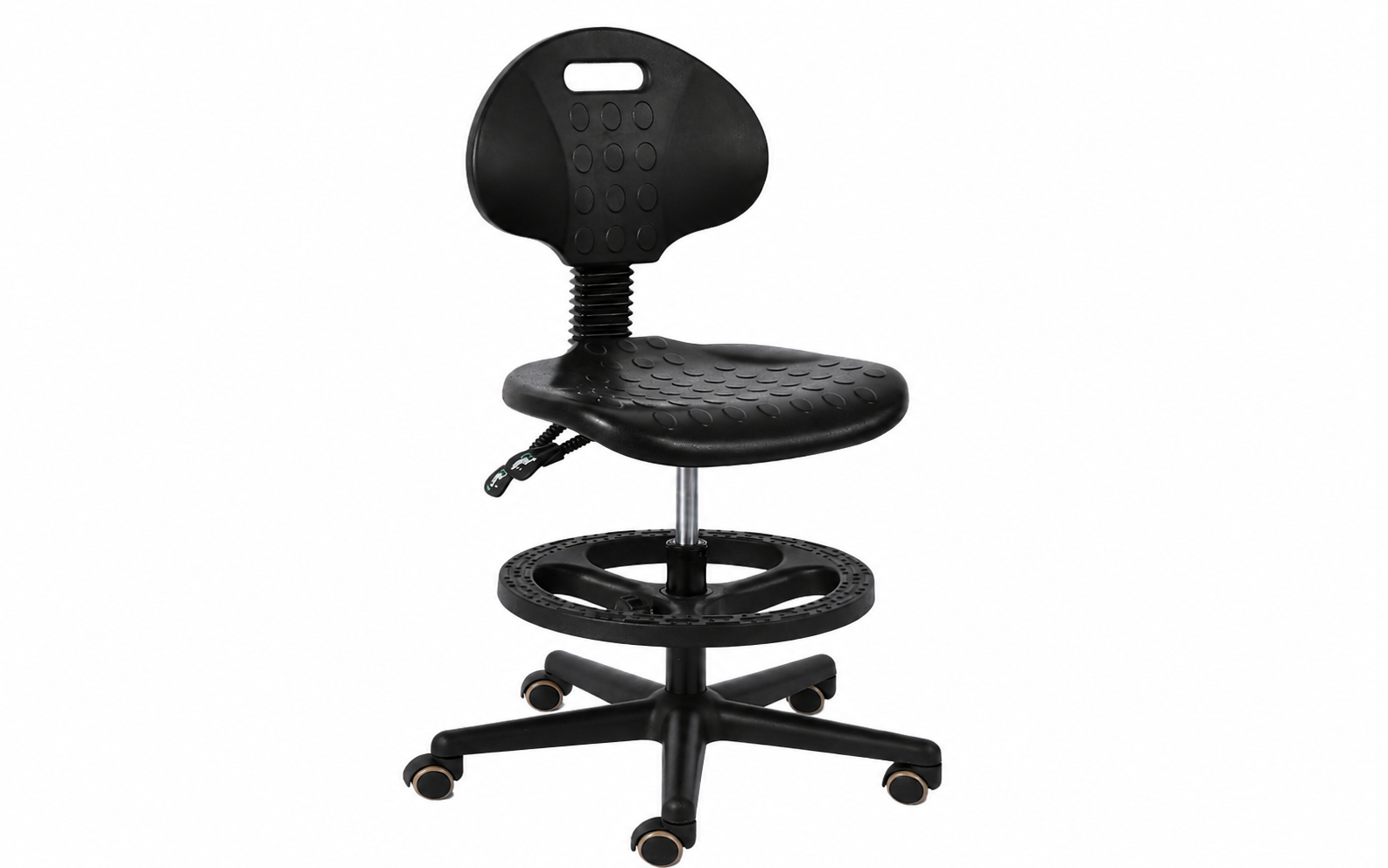
Mexico’s laboratory sector is evolving rapidly as investments continue flowing into healthcare, biotechnology, pharmaceuticals, food testing, environmental analysis, advanced manufacturing, and academic research. For suppliers, distributors, and procurement managers, accurately forecasting future demand for laboratory chairs has become a strategic necessity rather than a simple inventory exercise. Demand forecasting begins with understanding the macroeconomic and industrial forces shaping laboratory expansion across the country. New research facilities, healthcare modernization projects, industrial testing centers, and university laboratory upgrades all generate procurement requirements that often emerge months or years before purchasing activities begin. Organizations that monitor these developments gain a significant competitive advantage because they can align inventory planning, supplier agreements, and sales strategies with future opportunities. A key element in forecasting demand involves identifying products that consistently appear across different laboratory environments. The industrial polyurethane with chrome foot ring and casters adjustable laboratory chair represents one such product because it combines durability, ergonomic performance, and flexibility, making it suitable for multiple sectors. By analyzing project announcements, investment trends, government funding initiatives, and laboratory construction activities, distributors can develop a clearer understanding of future procurement requirements. In addition, demographic changes, workforce expansion, and increasing regulatory requirements often drive laboratory modernization programs that indirectly influence furniture purchasing decisions. For B2B suppliers targeting both Mexican laboratories and Argentine distributors seeking regional opportunities, forecasting models must integrate these broader economic indicators with industry-specific intelligence. The companies that treat forecasting as a strategic business discipline are more likely to maintain inventory availability, strengthen customer relationships, and respond quickly to changing market conditions.
Beyond macroeconomic analysis, successful demand forecasting relies heavily on data-driven procurement intelligence. Modern distributors have access to significantly more information than in previous years, allowing them to predict purchasing behavior with greater accuracy. Historical sales records, seasonal demand patterns, customer purchasing cycles, inventory turnover rates, and procurement budgets all provide valuable forecasting signals. The industrial polyurethane with chrome foot ring and casters adjustable laboratory chair is particularly useful within forecasting models because its standardized nature allows analysts to identify recurring demand patterns across healthcare institutions, research centers, and industrial laboratories. Advanced digital platforms can aggregate information from multiple locations and generate predictive insights regarding future purchasing requirements. Customer relationship management systems also contribute valuable intelligence by tracking ongoing conversations, expansion plans, quotation requests, and project timelines. These indicators often reveal procurement intentions long before formal orders are placed. For distributors serving large laboratory networks, forecasting should also consider replacement cycles. Chairs used in demanding environments experience wear over time, creating predictable replacement demand that can be incorporated into planning models. Collaboration with suppliers further enhances forecasting accuracy by providing visibility into manufacturing capacity, lead times, and inventory availability. Argentine distributors evaluating expansion opportunities in Mexico can benefit from these forecasting approaches because they help identify regions and sectors with the strongest growth potential. Demand forecasting is no longer limited to estimating sales volumes; it has become a comprehensive process that combines operational data, customer intelligence, market trends, and strategic planning. Organizations that integrate these data sources can make more informed decisions regarding inventory investments, pricing strategies, warehousing requirements, and supplier partnerships.
The future of laboratory chair demand forecasting will increasingly depend on technology, collaboration, and predictive analytics. Artificial intelligence, machine learning tools, and cloud-based procurement platforms are transforming how organizations interpret market signals and anticipate customer needs. Instead of relying solely on historical trends, companies can now incorporate real-time data from procurement portals, industry databases, and customer interactions to build dynamic forecasting models. The industrial polyurethane with chrome foot ring and casters adjustable laboratory chair frequently serves as a benchmark product within these systems because its widespread adoption across laboratory environments provides a reliable reference point for measuring demand trends. Predictive analytics can identify emerging opportunities in regions experiencing increased laboratory investment, allowing distributors to position inventory strategically before competitors recognize the demand. Regional warehousing strategies, supplier collaboration programs, and long-term customer agreements become more effective when supported by accurate forecasting data. Furthermore, forecasting should not focus exclusively on product demand. Organizations should also evaluate customer behavior, procurement policies, regulatory developments, and technological advancements that may influence future purchasing decisions. For suppliers seeking to attract Argentine distributors and institutional buyers, demonstrating forecasting expertise can become a valuable differentiator that enhances credibility and trust. Customers increasingly prefer partners who can help them anticipate future requirements rather than simply fulfill orders. As Mexico’s laboratory sector continues expanding, the ability to forecast procurement demand accurately will become a critical factor in competitive success. Companies that combine market intelligence, digital analytics, customer collaboration, and strategic planning will be best positioned to capture future growth opportunities while maintaining operational efficiency and delivering superior value throughout the B2B laboratory furniture market.