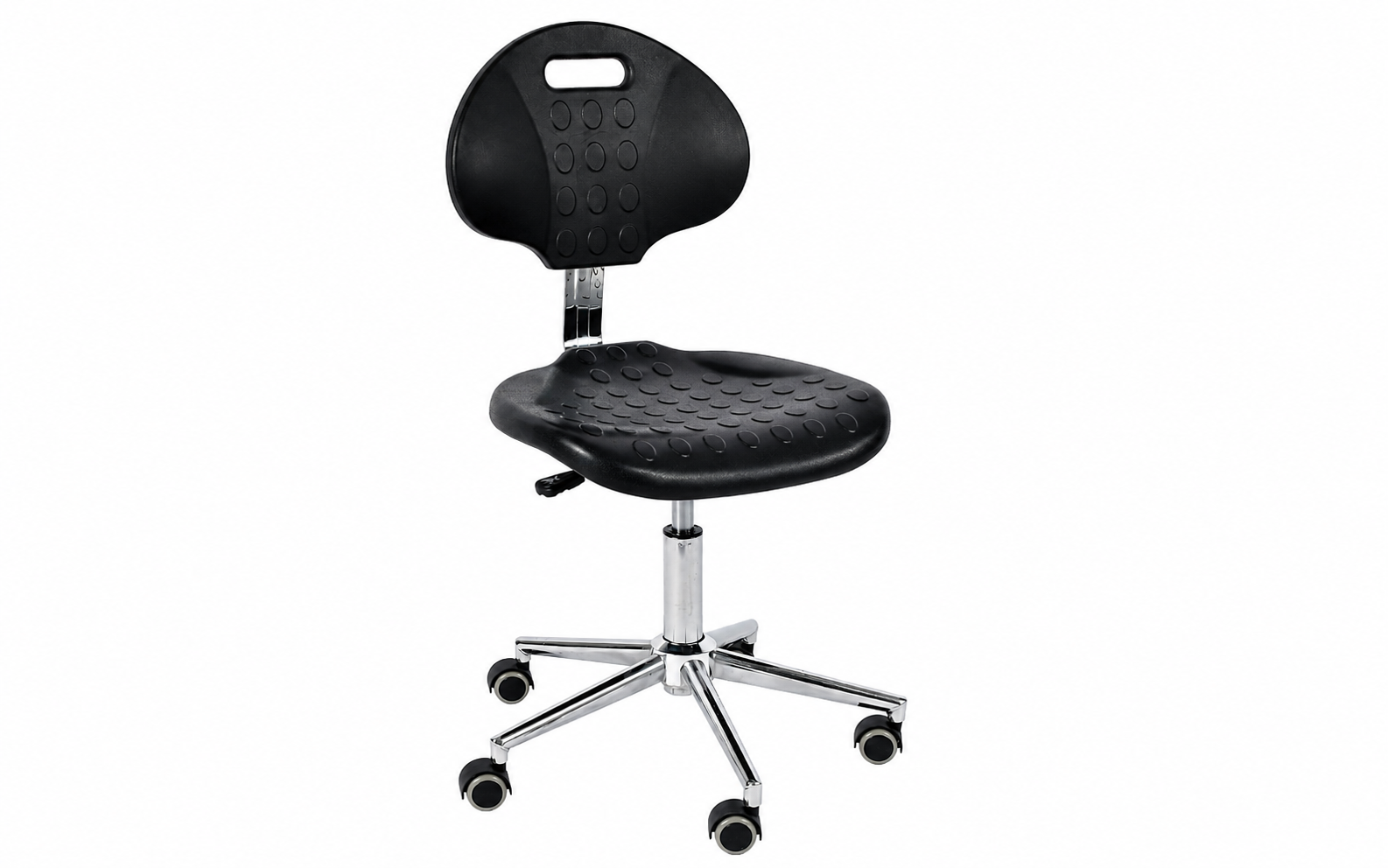
As laboratory infrastructure continues to expand across Mexico in sectors such as healthcare, pharmaceuticals, education, biotechnology, food testing, and industrial research, procurement departments face increasing pressure to make faster and more accurate purchasing decisions. Many organizations still rely on fragmented sourcing methods that create delays, inconsistent product quality, and unnecessary operational costs. A more strategic approach begins with establishing clear procurement criteria before engaging suppliers. Decision makers should evaluate ergonomic performance, durability, hygiene requirements, maintenance expectations, warranty coverage, production capacity, and supplier responsiveness. Instead of focusing exclusively on unit price, organizations benefit from assessing total cost of ownership over the product lifecycle. For distributors serving Mexican laboratories, selecting products that align with customer expectations can significantly improve sales conversion rates and long-term customer retention. Products such as the industrial polyurethane with chrome foot ring and casters adjustable laboratory chair have become increasingly attractive because they combine durability, mobility, easy cleaning, and ergonomic support in environments where continuous use is common. Companies can further optimize decision efficiency by creating standardized procurement frameworks that include approved supplier lists, technical evaluation templates, and performance scorecards. When procurement teams have access to consistent evaluation standards, they can compare suppliers objectively and accelerate purchasing approvals. Digital procurement platforms, centralized documentation, and data-driven supplier assessments also help organizations reduce administrative workload while improving transparency. For Mexican distributors seeking sustainable growth, providing detailed technical specifications, certifications, and application guidance can differentiate their offerings and build stronger trust with laboratory buyers.
Another effective strategy involves strengthening supplier collaboration and improving demand forecasting. Procurement inefficiencies often arise when organizations purchase reactively rather than strategically. By analyzing historical purchasing data, facility expansion plans, and anticipated workforce requirements, companies can forecast laboratory seating demand more accurately. This allows procurement teams to negotiate better pricing, reduce emergency purchases, and maintain consistent inventory levels. B2B buyers in Mexico increasingly value suppliers that offer reliable communication, customization capabilities, and responsive after-sales support. Establishing long-term relationships with manufacturers and distributors can improve procurement predictability while reducing supply chain disruptions. In competitive laboratory environments, seating solutions must satisfy operational, ergonomic, and compliance requirements simultaneously. The industrial polyurethane with chrome foot ring and casters adjustable laboratory chair represents a practical option because it supports mobility, durability, and user comfort while meeting the expectations of many technical workspaces. Distributors can further enhance decision efficiency by providing educational resources, product comparison guides, and application-specific recommendations for different laboratory environments. Procurement managers often need to justify purchasing decisions to multiple stakeholders, including finance teams, facility managers, laboratory supervisors, and safety officers. Suppliers that provide clear documentation and measurable value propositions simplify this process. Additionally, organizations should incorporate user feedback into procurement evaluations. Laboratory personnel who use chairs daily can offer valuable insights regarding comfort, adjustability, mobility, and maintenance requirements. Integrating end-user perspectives into purchasing decisions increases satisfaction and reduces the risk of costly replacement cycles.
Technology adoption and performance measurement are also critical components of procurement optimization. Companies that track key procurement metrics such as supplier delivery performance, product failure rates, maintenance costs, procurement cycle times, and customer satisfaction can continuously refine purchasing strategies. Digital supplier management systems enable organizations to maintain comprehensive records and identify improvement opportunities more efficiently. For Mexican distributors and laboratory equipment suppliers, demonstrating measurable business value is increasingly important in B2B sales environments. Buyers are looking for solutions that contribute to operational productivity, employee well-being, and long-term cost control rather than simply fulfilling immediate purchasing needs. The industrial polyurethane with chrome foot ring and casters adjustable laboratory chair illustrates how a carefully selected product can support multiple organizational objectives simultaneously. Beyond functionality, successful procurement programs emphasize risk management, regulatory compliance, inventory optimization, and supplier accountability. Organizations that establish cross-functional procurement committees often achieve better results because purchasing decisions incorporate perspectives from operations, finance, safety, and end users. As laboratory modernization continues throughout Mexico, companies that adopt structured procurement methodologies will be better positioned to improve decision efficiency, reduce purchasing risks, strengthen supplier partnerships, and achieve higher returns on investment. For distributors and manufacturers targeting the Mexican market, delivering transparency, technical expertise, consistent product quality, and long-term partnership value will remain essential for attracting customers and building sustainable competitive advantages in the growing laboratory furniture sector.
READ MORE
After Sales Services
Partnership Models
Procurement Plans
Brand Integration
Supply Chains