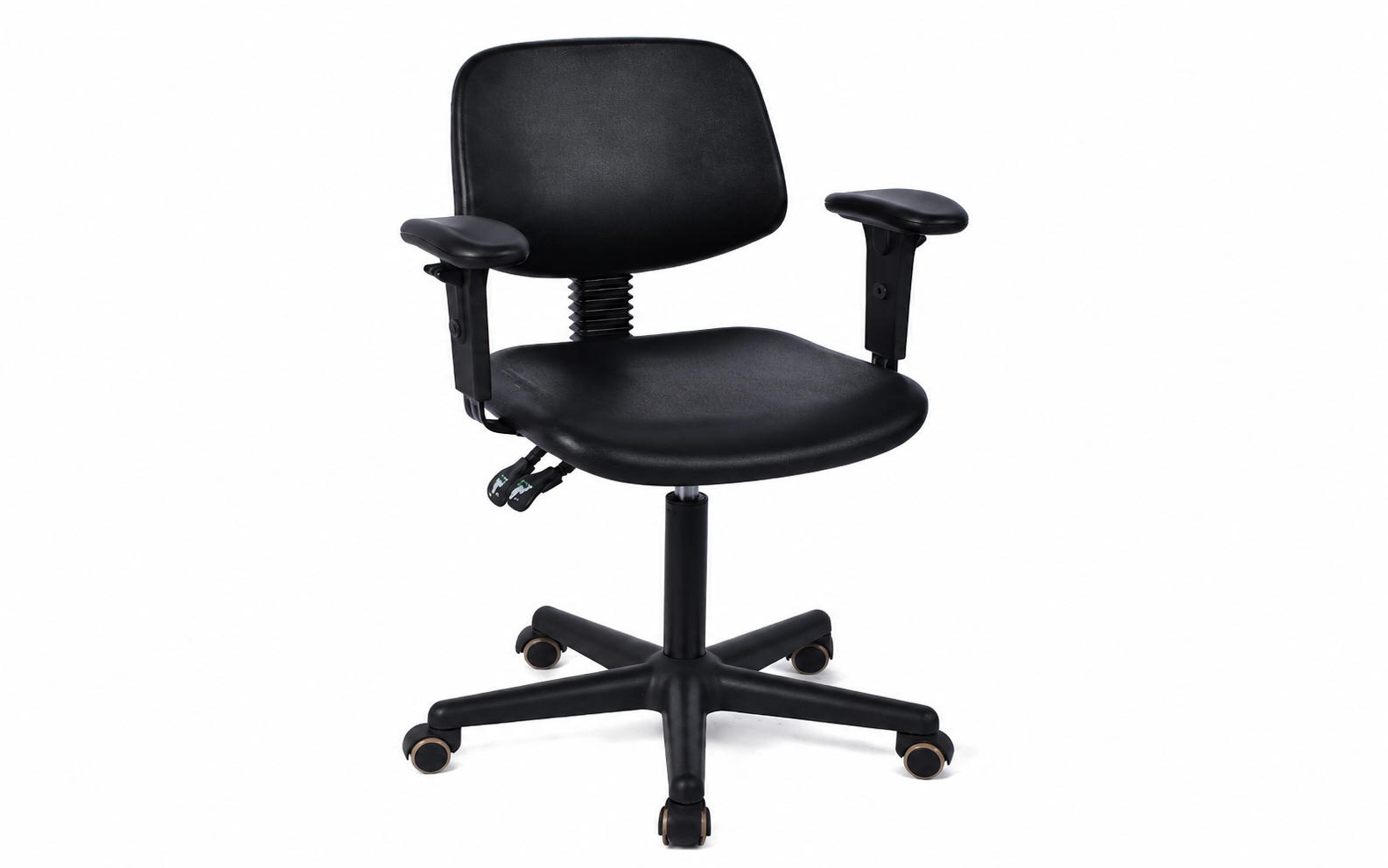
As laboratories, healthcare facilities, universities, pharmaceutical companies, and industrial research organizations continue expanding throughout Mexico, procurement departments are under increasing pressure to make faster, more accurate, and more cost-effective purchasing decisions. Traditional procurement processes often rely on spreadsheets, emails, manual approvals, and fragmented supplier communications, making it difficult to maintain visibility and control over purchasing activities. Digital transformation is changing this landscape by providing organizations with advanced tools that improve procurement efficiency and decision quality. Modern procurement platforms allow companies to centralize supplier information, standardize purchasing workflows, compare products more effectively, and track procurement performance in real time. For laboratory furniture purchases, digital catalogs provide procurement teams with immediate access to technical specifications, compliance information, pricing structures, and inventory availability. Products such as the industrial polyurethane with chrome foot ring and casters adjustable laboratory chair are particularly well suited for digital procurement environments because standardized specifications simplify evaluation and comparison processes. Through digital procurement systems, organizations can establish approved product lists, automate purchasing approvals, and ensure consistency across multiple laboratory locations. This approach reduces administrative complexity while improving compliance with internal purchasing policies. Furthermore, centralized digital systems create a single source of truth for procurement data, enabling managers to identify spending patterns, evaluate supplier performance, and negotiate more favorable purchasing agreements. For Mexican distributors and B2B buyers alike, digital procurement tools are becoming essential resources for managing growth, reducing costs, and improving operational efficiency in increasingly competitive markets.
Data analytics represents one of the most powerful digital capabilities available to modern procurement organizations. Every procurement transaction generates valuable information that can be used to improve future decision-making. By analyzing historical purchasing data, inventory utilization rates, maintenance records, supplier performance metrics, and budget trends, organizations can identify opportunities to optimize procurement strategies. The industrial polyurethane with chrome foot ring and casters adjustable laboratory chair is often included in these analyses because its widespread use across laboratories provides meaningful data regarding lifecycle costs, durability, maintenance requirements, and user satisfaction. Predictive analytics can help procurement teams forecast future demand more accurately, reducing both stock shortages and excess inventory. This capability is particularly important for organizations managing multiple facilities or planning laboratory expansions. Digital dashboards allow managers to monitor key performance indicators such as procurement cycle times, contract compliance, supplier responsiveness, and cost savings initiatives. These insights support evidence-based decision-making rather than relying solely on assumptions or historical habits. Supplier management platforms further strengthen procurement performance by providing real-time visibility into delivery schedules, service levels, and contract obligations. Procurement teams can use this information to identify high-performing suppliers and address potential risks before they affect operations. For distributors serving Mexican laboratories, providing digital integration capabilities can become a powerful competitive advantage. Customers increasingly value suppliers that offer electronic ordering, inventory visibility, automated reporting, and data-driven procurement support. These capabilities enhance transparency while creating stronger B2B relationships built on measurable performance and continuous improvement.
Automation and digital collaboration tools are creating additional opportunities to improve laboratory chair procurement outcomes across Mexico. Many procurement processes involve repetitive administrative tasks such as purchase order generation, invoice processing, approval routing, document management, and compliance verification. Automating these activities reduces manual workloads, minimizes errors, and accelerates purchasing cycles. The industrial polyurethane with chrome foot ring and casters adjustable laboratory chair is frequently incorporated into automated procurement systems because standardized products simplify workflow configuration and approval management. Cloud-based procurement platforms enable stakeholders from procurement, finance, operations, and laboratory management teams to collaborate more effectively regardless of geographic location. This improved coordination reduces delays and supports more informed purchasing decisions. Digital contract management systems also help organizations monitor supplier obligations, warranty coverage, renewal dates, and compliance requirements, reducing legal and financial risks associated with procurement activities. Another important development is the integration of artificial intelligence into procurement processes. AI-powered tools can recommend products, identify cost-saving opportunities, detect unusual purchasing patterns, and support supplier selection decisions. These capabilities allow procurement teams to focus on strategic activities while technology handles routine analysis and administrative tasks. For laboratory chair suppliers seeking to attract Mexican distributors and institutional buyers, demonstrating digital capabilities has become increasingly important. Organizations are looking for partners that can support modern procurement practices through technology, transparency, and operational efficiency. As digital transformation continues accelerating across Mexico’s laboratory sector, companies that embrace procurement automation, analytics, supplier management systems, and collaborative digital platforms will be better positioned to reduce costs, improve compliance, strengthen supplier relationships, and make more intelligent purchasing decisions. Digital procurement is no longer simply a technology initiative; it has become a strategic capability that drives long-term business performance and sustainable competitive advantage.