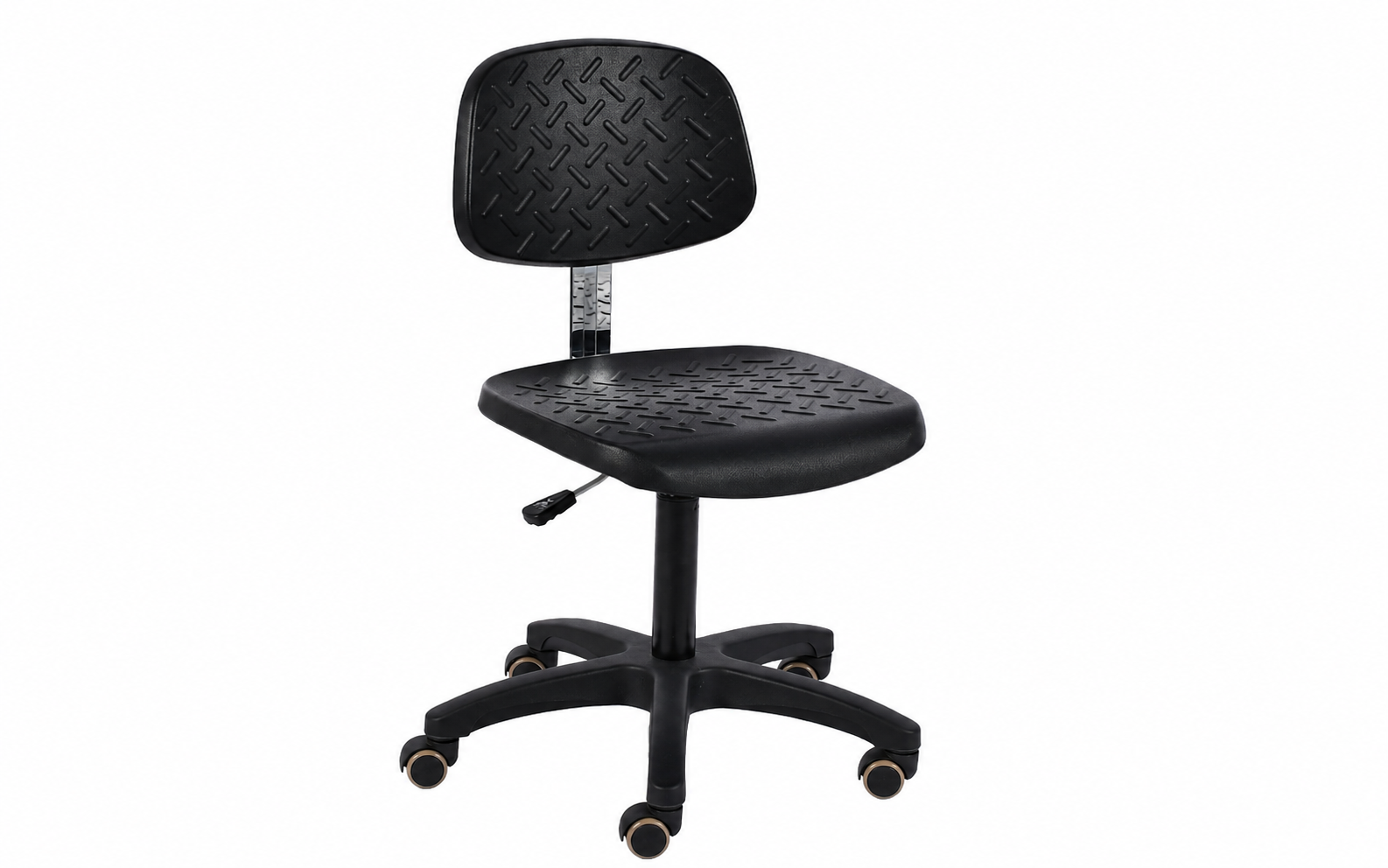
For laboratory chair distributors operating in Argentina, maintaining the right balance between inventory availability and delivery speed has become one of the most important factors influencing business success. As laboratories, hospitals, universities, pharmaceutical manufacturers, research institutions, and industrial testing facilities continue investing in modern infrastructure, customers increasingly expect rapid delivery without compromising product quality or availability. In the B2B marketplace, delayed deliveries can disrupt laboratory operations, postpone project timelines, and negatively impact customer confidence. At the same time, carrying excessive inventory can tie up capital, increase warehousing costs, and reduce overall profitability. To overcome these challenges, distributors must implement strategic inventory management systems that accurately forecast demand patterns and align stock levels with market requirements. One effective approach involves analyzing historical purchasing behavior, seasonal demand fluctuations, and emerging industry trends to create more accurate procurement plans. Products such as the industrial polyurethane with chrome foot ring and casters adjustable laboratory chair have become increasingly important within laboratory furniture portfolios because of their durability, ergonomic design, and suitability for a wide range of laboratory environments. As demand for these specialized seating solutions grows, distributors need better visibility into purchasing cycles and customer preferences. Advanced inventory planning enables organizations to identify high-demand products, reduce stock shortages, and improve order fulfillment rates. Furthermore, segmenting inventory according to product turnover rates allows distributors to prioritize fast-moving items while minimizing overstock risks. By developing a data-driven inventory strategy, laboratory chair distributors can improve customer satisfaction, strengthen supplier relationships, and establish a more competitive position within Argentina’s expanding laboratory equipment market.
Technology is playing an increasingly important role in helping distributors optimize inventory control and delivery performance. Modern warehouse management systems, demand forecasting software, and enterprise resource planning platforms provide real-time visibility into stock levels, supplier lead times, customer orders, and logistics performance. These technologies allow distributors to make faster and more informed decisions regarding procurement, replenishment, and distribution activities. For B2B customers, transparency throughout the purchasing process has become a significant differentiator. Buyers want accurate delivery estimates, inventory availability information, and proactive communication regarding order status. Distributors that invest in digital tools can provide a superior customer experience while improving operational efficiency. The industrial polyurethane with chrome foot ring and casters adjustable laboratory chair represents a product category where inventory visibility is especially important because laboratory managers often require immediate replacements or rapid deployment for new facilities. By integrating procurement systems with inventory management platforms, distributors can automate reorder processes and reduce manual administrative tasks. Additionally, strategic warehouse placement can dramatically improve delivery speed across Argentina. Maintaining inventory in locations that provide efficient access to major metropolitan regions as well as emerging laboratory markets allows distributors to reduce transportation times and lower logistics costs. Collaboration with reliable logistics providers further enhances delivery performance by ensuring consistent transportation schedules and efficient last-mile distribution. Through digital transformation and supply chain optimization, distributors can create a more agile operating model capable of responding quickly to customer demands while maintaining healthy inventory levels. This approach not only improves profitability but also strengthens long-term customer loyalty within the competitive laboratory furniture sector.
Beyond technology and inventory planning, successful distributors understand that balancing inventory and delivery speed ultimately depends on building strong partnerships throughout the B2B supply chain. Long-term relationships with manufacturers enable distributors to negotiate more flexible production schedules, priority allocation arrangements, and improved lead-time management. These collaborative partnerships reduce uncertainty and allow distributors to respond more effectively to fluctuations in market demand. For example, when demand for industrial polyurethane with chrome foot ring and casters adjustable laboratory chair increases because of laboratory expansion projects or healthcare infrastructure investments, distributors with strong supplier relationships can secure inventory more quickly than competitors relying solely on transactional purchasing models. Equally important is collaboration with customers. Distributors that engage in regular communication with laboratories, hospitals, universities, and industrial facilities gain valuable insights into future purchasing requirements and expansion plans. This information enables more accurate forecasting and inventory planning, reducing the risk of stock shortages or excess inventory. Strategic B2B programs such as vendor-managed inventory agreements, scheduled procurement contracts, and framework purchasing arrangements can further improve operational efficiency while creating additional value for customers. Participation in laboratory industry events, trade exhibitions, and professional networks also provides distributors with opportunities to identify emerging trends and adapt inventory strategies accordingly. As Argentina’s laboratory sector continues to evolve, distributors that successfully balance inventory availability with rapid delivery capabilities will be positioned to attract more customers, increase market share, and strengthen brand reputation. By combining advanced inventory management practices, digital technologies, efficient logistics, and collaborative B2B partnerships, laboratory chair distributors can build resilient supply chains that support sustainable growth while meeting the increasing expectations of Argentina’s laboratory market.
READ MORE