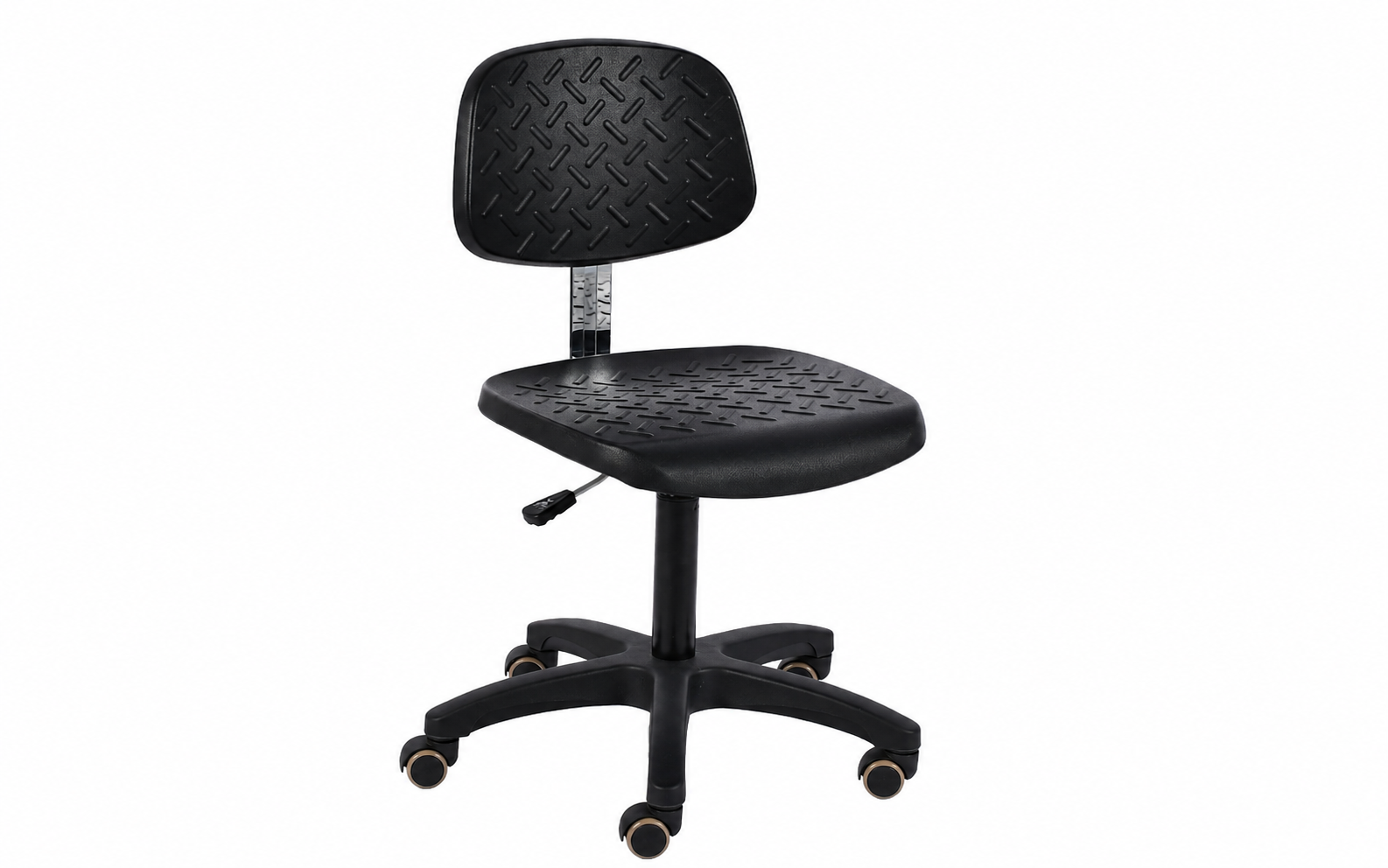
For companies in Argentina, ensuring the reliability and stability of laboratory chair suppliers has become an increasingly important factor in long-term procurement strategies. The B2B market for laboratory equipment demands not only high-quality products, such as the industrial polyurethane with chrome foot ring and casters adjustable laboratory chair, but also dependable delivery schedules, consistent service, and responsive support. Assessing a supplier's reliability begins with evaluating their operational capacity, production standards, and track record in fulfilling orders consistently. Companies should examine historical performance data, customer testimonials, and reference checks to understand how suppliers handle large-scale orders and respond to urgent procurement needs. Financial stability and organizational structure are also key indicators, as suppliers with a strong capital base and efficient management are better equipped to maintain consistent production levels, navigate economic fluctuations, and provide dependable long-term service commitments. By prioritizing these factors, Argentine buyers can mitigate risks associated with supply chain disruptions, delayed deliveries, and inconsistent product quality, thereby protecting operational continuity and investment value.
Another crucial element in assessing supplier reliability and stability involves the evaluation of quality management systems and adherence to international standards. Laboratory chairs, particularly industrial polyurethane with chrome foot ring and casters adjustable laboratory chair, must meet rigorous ergonomic, safety, and durability requirements. Buyers should review certifications, quality control procedures, and compliance with ISO or other relevant standards to ensure that the supplier maintains consistent product quality. Additionally, the supplier's capacity for ongoing innovation, product improvement, and responsiveness to market feedback is indicative of long-term stability. Reliable suppliers invest in research and development, technical training, and continuous process optimization, which ensures that they can adapt to evolving customer needs and industry trends. In a B2B context, this commitment to quality and innovation builds trust and allows procurement teams to rely on suppliers for both current and future laboratory equipment requirements, creating a foundation for sustained partnerships that benefit both parties.
Finally, strong communication practices and collaborative relationships are essential for evaluating supplier reliability and stability. Argentine companies should seek suppliers who demonstrate transparency, proactive engagement, and problem-solving capabilities. Clear contractual agreements outlining service expectations, delivery timelines, and maintenance responsibilities help establish accountability and prevent misunderstandings. Periodic performance reviews, joint planning sessions, and open feedback mechanisms allow buyers and suppliers to anticipate potential challenges and address them proactively. For products like the industrial polyurethane with chrome foot ring and casters adjustable laboratory chair, understanding operational context, laboratory workflow, and specific client requirements ensures that suppliers can provide customized support and maintain consistent service quality. Leveraging digital procurement platforms, order tracking systems, and analytics tools further enhances visibility into supplier performance and enables real-time monitoring of reliability metrics. By combining operational assessment, quality evaluation, and relationship management, Argentine companies can develop a comprehensive framework for selecting suppliers that offer both reliability and stability, ultimately supporting long-term procurement goals and fostering sustainable B2B growth in the laboratory equipment sector.