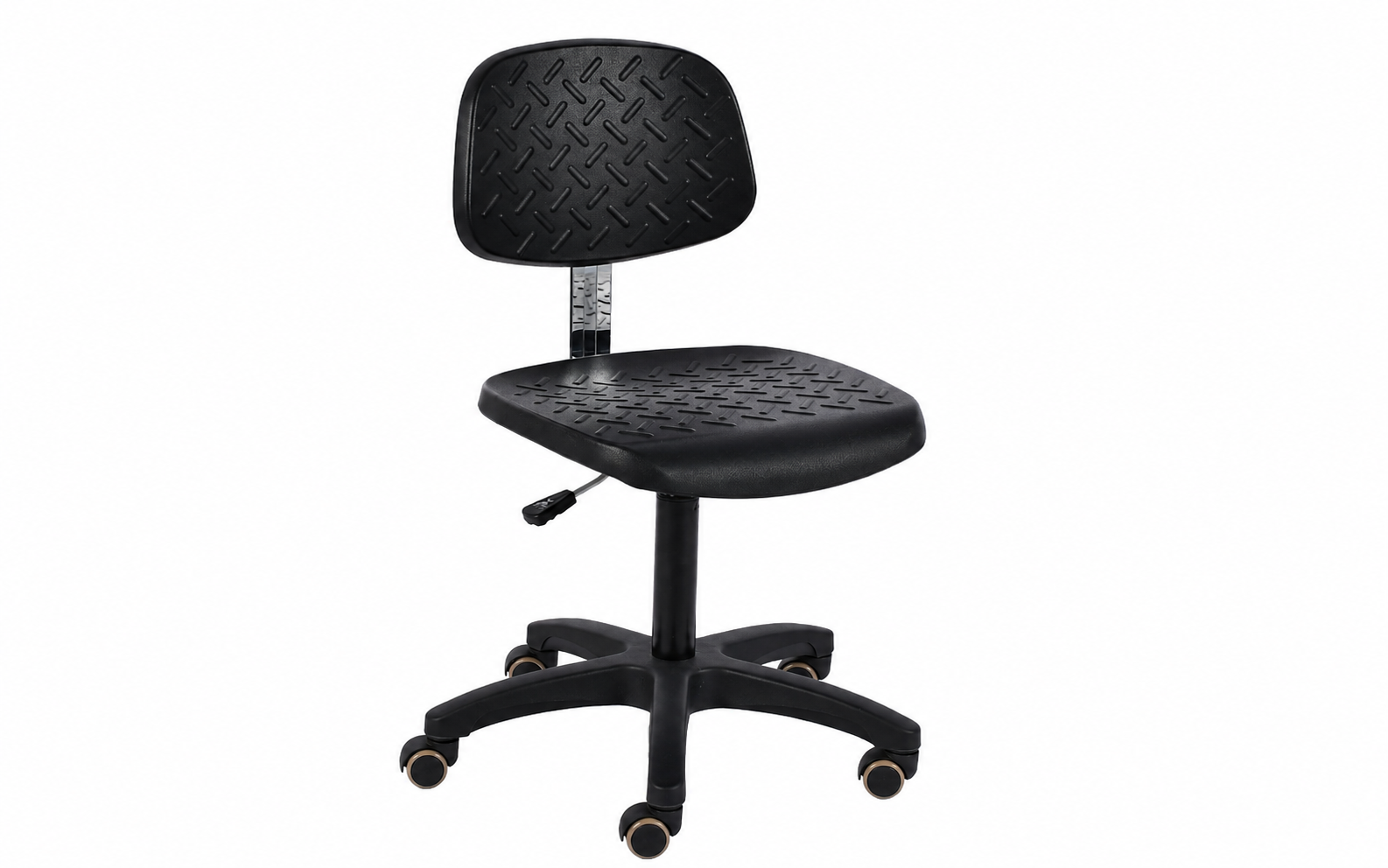
In Argentina’s evolving laboratory equipment market, standardized procurement has emerged as an increasingly important trend, particularly for institutions and organizations seeking reliable laboratory seating solutions such as the industrial polyurethane with chrome foot ring and casters adjustable laboratory chair. Standardized procurement refers to the practice of implementing uniform specifications, centralized ordering processes, and consistent supplier selection criteria across multiple departments or facilities within an organization. By establishing standardized procedures, buyers can ensure consistent quality, streamline approval processes, and reduce errors associated with ad hoc procurement. This approach is particularly beneficial in B2B contexts, where laboratory managers, procurement officers, and corporate decision-makers must coordinate purchases across multiple sites or institutions. Standardization also enables organizations to consolidate orders, leverage economies of scale, and negotiate better pricing from suppliers, while maintaining a consistent level of ergonomic performance, durability, and safety in laboratory seating. For high-demand products such as the industrial polyurethane with chrome foot ring and casters adjustable laboratory chair, standardized procurement ensures that all facilities have access to reliable, high-performance chairs that meet operational requirements and compliance standards, reducing administrative overhead and enhancing operational efficiency.
Another key advantage of standardized procurement is improved supplier relationship management and predictable supply chain performance. By maintaining consistent specifications and centralized procurement protocols, Argentine organizations can establish long-term partnerships with trusted suppliers, reducing the variability and uncertainty associated with fragmented purchasing. Suppliers of industrial polyurethane with chrome foot ring and casters adjustable laboratory chair benefit from standardized procurement by being able to plan production schedules, manage inventory efficiently, and provide more reliable delivery timelines. This stability allows both buyers and suppliers to focus on value-added services, such as technical support, product customization, and after-sales maintenance, rather than constantly addressing inconsistencies in product quality or delivery schedules. Additionally, standardized procurement facilitates compliance with regulatory requirements and internal quality standards, providing a clear framework for auditing, reporting, and risk management. In a competitive B2B market, these practices help laboratories and research institutions maintain operational consistency while reducing costs, delays, and procurement-related risks, making standardized procurement an increasingly attractive approach for decision-makers across Argentina.
Finally, the adoption of standardized procurement practices supports strategic planning and scalability in Argentina’s laboratory chair market. Organizations seeking to modernize laboratory facilities or expand operations can more effectively forecast demand, allocate budgets, and plan installations when procurement processes are standardized. The industrial polyurethane with chrome foot ring and casters adjustable laboratory chair, for instance, can be procured in bulk according to uniform specifications, ensuring that future facilities receive chairs that meet the same ergonomic, durability, and mobility standards. This approach reduces the complexity of managing multiple suppliers, facilitates faster decision-making, and enhances coordination across departments or institutional networks. Standardization also enables organizations to integrate digital procurement platforms, predictive analytics, and supplier performance tracking into their workflows, further improving transparency, efficiency, and strategic oversight. By combining standardized specifications, centralized processes, and long-term supplier partnerships, B2B buyers in Argentina can achieve consistent quality, cost savings, and operational efficiency, positioning themselves for sustainable growth and improved competitiveness in the laboratory chair market. As laboratories continue to modernize and expand, standardized procurement will likely remain a critical trend that drives efficiency, reliability, and strategic value across the country’s research and industrial sectors.
READ MORE