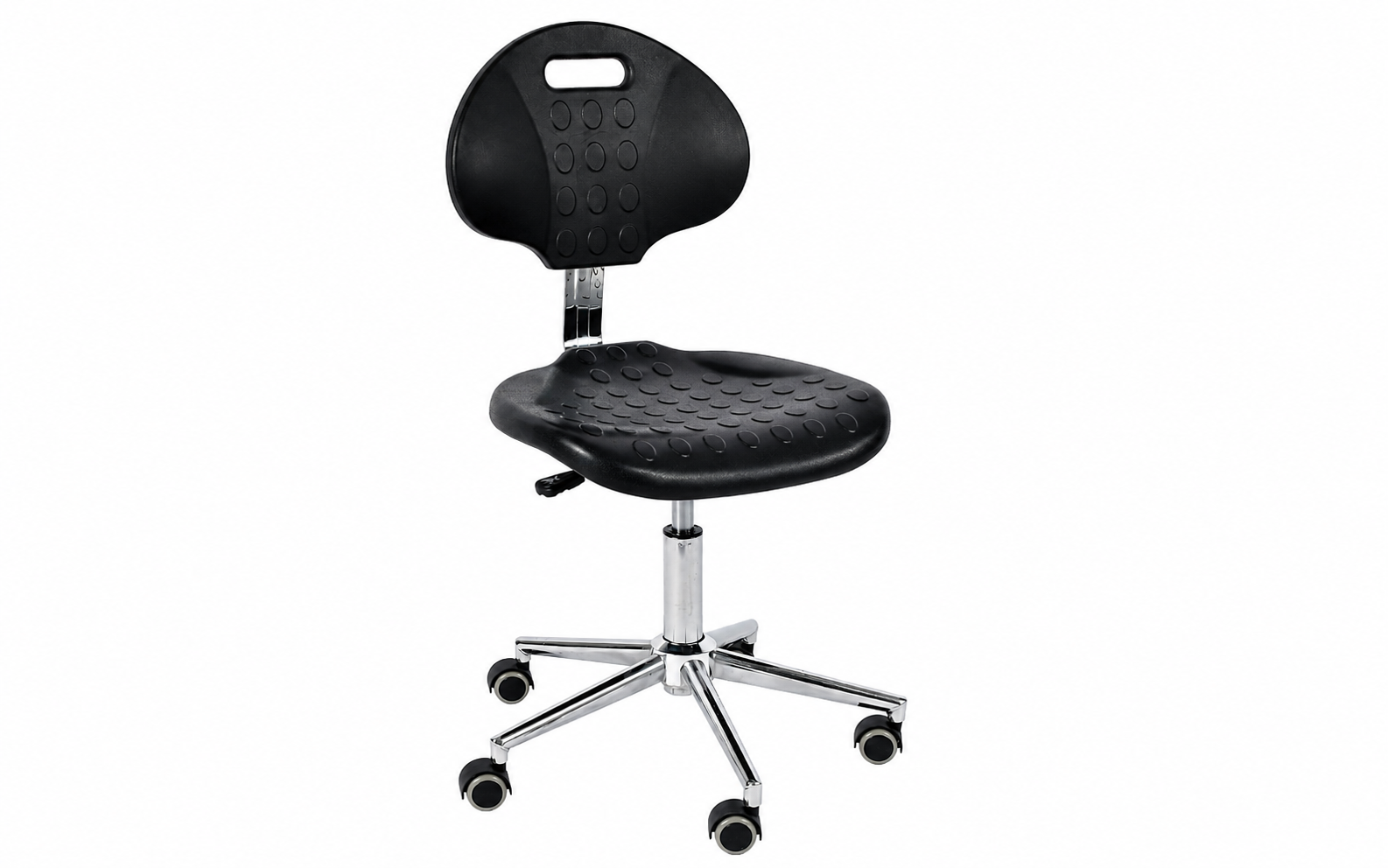
As laboratory infrastructure continues to expand across Mexico, organizations are paying greater attention to inventory management practices that support operational efficiency and cost control. While laboratory equipment and scientific instruments often receive the most attention, laboratory chairs represent a critical asset category that directly influences productivity, workplace safety, employee comfort, and facility performance. Many laboratories struggle with inconsistent inventory records, decentralized purchasing activities, unplanned replacement cycles, and limited visibility into asset utilization. These challenges can lead to unnecessary spending, delayed procurement decisions, excess inventory accumulation, and operational disruptions. To address these issues, laboratories should implement structured inventory management frameworks that treat laboratory chairs as strategic operational assets rather than simple furniture purchases. One effective approach involves establishing standardized product categories and performance criteria that simplify procurement and inventory control. The industrial polyurethane with chrome foot ring and casters adjustable laboratory chair is frequently selected as a benchmark product because it combines durability, ergonomic support, mobility, and maintenance efficiency. By creating standardized specifications around products with proven performance characteristics, laboratories can reduce complexity while improving inventory predictability. Asset classification systems should include product type, location, acquisition date, maintenance status, warranty coverage, and expected replacement timeline. These records allow laboratory managers to make informed decisions regarding procurement planning and resource allocation. For Mexican distributors and B2B suppliers, helping customers implement inventory standardization programs can create additional value while strengthening long-term business relationships. Laboratories that adopt disciplined inventory practices often experience lower operating costs, improved purchasing efficiency, and more consistent workplace performance across multiple facilities.
Technology plays a central role in modern laboratory chair inventory management. Traditional spreadsheet-based tracking systems often become difficult to maintain as organizations grow and asset volumes increase. Laboratories can significantly improve visibility by implementing digital asset management platforms that provide real-time access to inventory information, maintenance records, utilization data, and procurement history. Barcode systems, RFID tracking technologies, and centralized inventory databases allow organizations to monitor asset movements and identify underutilized or aging products more efficiently. The industrial polyurethane with chrome foot ring and casters adjustable laboratory chair is particularly well-suited for inclusion in standardized asset management programs because its versatility allows it to be deployed across multiple laboratory environments without creating excessive inventory variation. Digital inventory systems can also support predictive planning by analyzing historical usage patterns and forecasting future demand. This capability enables laboratories to maintain optimal inventory levels while reducing both overstocking and emergency purchasing situations. Another important strategy involves integrating inventory management with procurement workflows. When inventory data is connected to purchasing systems, organizations can automate replenishment processes, improve supplier coordination, and reduce administrative workloads. B2B buyers in Mexico increasingly seek suppliers that offer inventory support services, demand forecasting assistance, and procurement optimization expertise. Suppliers that provide these capabilities can differentiate themselves in a competitive marketplace while helping customers achieve measurable operational improvements. Furthermore, laboratories should establish regular inventory audits to verify asset records, identify discrepancies, and evaluate product performance. These audits generate valuable insights that support continuous improvement and more effective long-term planning. Through technology-enabled inventory management, laboratories gain greater control over resources while enhancing operational agility and financial performance.
Strategic supplier partnerships and lifecycle management practices are equally important for achieving efficient inventory control. Many laboratories focus heavily on acquisition costs while overlooking the broader financial implications associated with maintenance, replacement, and asset utilization. A lifecycle-based approach evaluates the total value generated by laboratory chairs throughout their operational lifespan. Products such as the industrial polyurethane with chrome foot ring and casters adjustable laboratory chair often deliver strong lifecycle performance because they are designed for intensive use and require relatively low maintenance. Laboratories should collaborate closely with suppliers to develop replacement schedules, maintenance plans, and inventory forecasting models that align with operational objectives. Long-term supplier relationships can improve product availability, streamline procurement activities, and reduce supply chain risks. Mexican distributors serving laboratories, healthcare organizations, educational institutions, and industrial research facilities can enhance customer loyalty by offering inventory consulting services, maintenance planning programs, and asset performance evaluations. These value-added services transform suppliers from transactional vendors into strategic business partners. Additionally, cross-functional collaboration between procurement departments, laboratory managers, maintenance teams, and finance personnel helps ensure that inventory decisions support broader organizational goals. Regular performance reviews should assess inventory turnover rates, utilization levels, maintenance costs, replacement frequency, and supplier performance metrics. These indicators provide valuable information that supports continuous optimization efforts. As laboratory operations become increasingly sophisticated throughout Mexico, organizations that embrace data-driven inventory management, technology integration, supplier collaboration, and lifecycle planning will be better positioned to reduce costs, improve operational reliability, and maximize return on investment. Efficient inventory management is no longer simply an administrative function; it is a strategic capability that strengthens competitiveness, supports sustainable growth, and creates lasting value across the laboratory ecosystem.
READ MORE
Which Emerging Industries in Mexico Are Driving Increased Demand for Laboratory Chairs?
How Can Laboratory Chair Distributors in Mexico Expand Regional Coverage and Increase Sales?