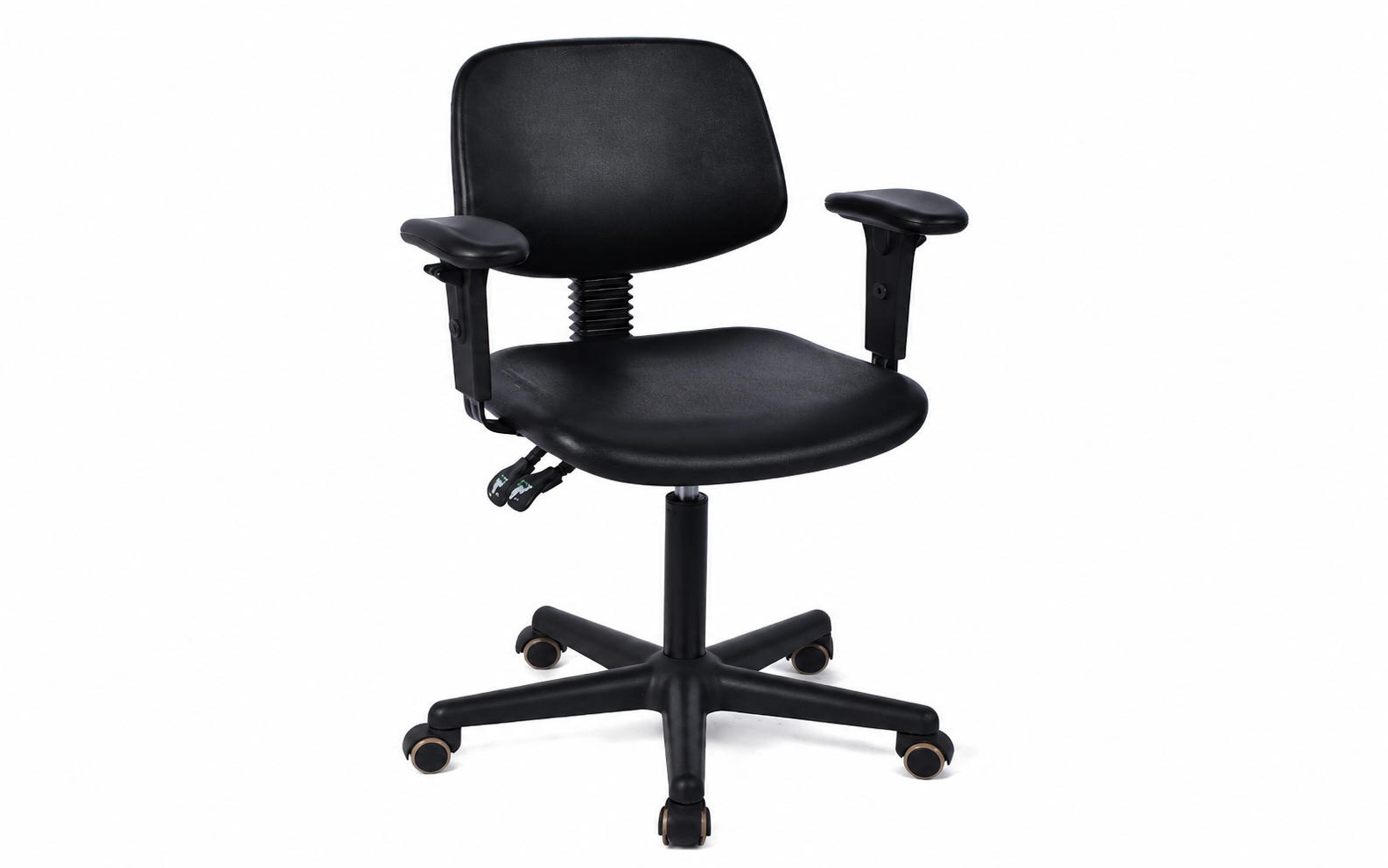
Mexico’s laboratory furniture market has seen a notable surge in demand, driven by several intersecting market trends that influence purchasing behavior among healthcare institutions, research centers, industrial laboratories, and educational facilities. Organizations are increasingly prioritizing the ergonomic design, durability, and versatility of laboratory chairs to support extended work periods and diverse laboratory workflows. Products such as the industrial polyurethane with chrome foot ring and casters adjustable laboratory chair exemplify the features sought by Mexican B2B clients, combining ergonomic support, mobility, and low-maintenance materials. The emphasis on workplace ergonomics has been accelerated by a growing recognition of employee health and safety standards, particularly in laboratories where prolonged seating and repetitive tasks can impact productivity and well-being. As institutions seek to improve operational efficiency while adhering to modern ergonomic standards, the demand for high-quality, adjustable, and durable laboratory chairs continues to expand.
Another significant trend is the modernization and expansion of laboratory infrastructure across Mexico. Government initiatives, private research investments, healthcare system upgrades, and industrial innovation programs are collectively increasing the number of new laboratories and the refurbishment of existing facilities. This expansion creates substantial procurement opportunities for laboratory chair suppliers who can provide standardized, scalable solutions. The industrial polyurethane with chrome foot ring and casters adjustable laboratory chair is particularly suited to these environments due to its adaptability across multiple laboratory types, ease of installation, and long service life. Standardized seating solutions help institutions streamline procurement processes, maintain uniformity in laboratory setups, and reduce maintenance complexities. B2B buyers benefit from suppliers who can offer consistent quality, technical guidance, and reliable delivery schedules, aligning with operational and budgetary requirements in both public and private sectors.
Finally, digitalization and data-driven decision-making are shaping purchasing trends in Mexico’s laboratory market. Laboratory managers and procurement teams increasingly rely on digital catalogs, product specifications, and online platforms to compare options, evaluate supplier reliability, and forecast demand. Integration of online and offline channels, combined with enhanced after-sales support, enables laboratory chair suppliers to address client requirements effectively, building stronger relationships and ensuring repeat business. Products like the industrial polyurethane with chrome foot ring and casters adjustable laboratory chair are central to these strategies, offering a standardized reference point for online product descriptions, technical documentation, and inventory management. Suppliers that align their offerings with these evolving market trends—emphasizing ergonomics, operational efficiency, digital integration, and B2B-focused service—are well-positioned to capitalize on Mexico’s growing laboratory chair demand while fostering sustainable growth in healthcare, research, industrial, and educational sectors.