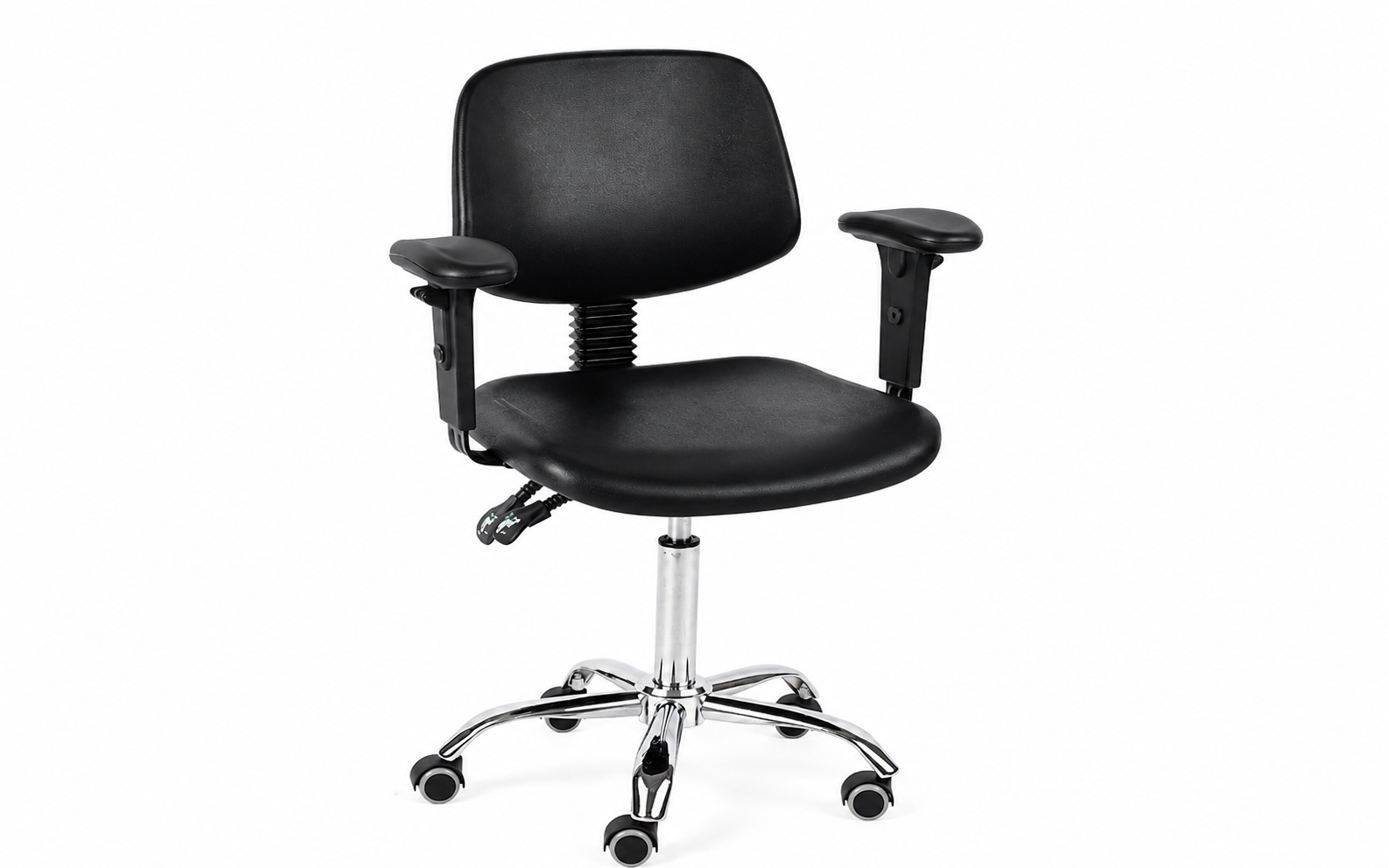
Distributors of laboratory chairs in Mexico face the dual challenge of meeting growing market demand while minimizing the financial impact of holding excessive inventory. Maintaining large stockpiles ties up capital, increases storage costs, and can reduce flexibility in responding to market changes. To address these challenges, distributors are increasingly turning to strategic inventory management techniques that balance product availability with financial efficiency. One key strategy involves standardizing inventory around high-demand products, such as the industrial polyurethane with chrome foot ring and casters adjustable laboratory chair. Standardized products offer versatility across multiple laboratory applications, reducing the need to stock multiple variants while maintaining service quality. By analyzing sales data, customer preferences, and historical purchasing trends, distributors can identify which items should be prioritized in inventory. This data-driven approach ensures that capital is allocated to products with the highest turnover potential, reducing idle stock and freeing up resources for other operational needs. In addition, standardization simplifies inventory management, streamlines training for warehouse staff, and facilitates consistent quality across B2B client installations, enhancing operational reliability and customer satisfaction.
Demand forecasting and inventory analytics are essential tools for optimizing laboratory chair stock levels. Accurate forecasting allows distributors to anticipate fluctuations in customer demand and align purchasing schedules with projected requirements. For example, understanding periods of peak laboratory equipment upgrades or expansions can help distributors plan procurement to maintain optimal inventory without overstocking. The industrial polyurethane with chrome foot ring and casters adjustable laboratory chair is particularly suitable for forecasting-driven inventory strategies because its standardized design and broad applicability make turnover more predictable. Modern inventory management systems provide real-time visibility into stock levels, order histories, and delivery schedules, enabling distributors to make informed decisions and react swiftly to changes in market demand. Additionally, leveraging historical sales patterns and integrating predictive analytics allows distributors to anticipate client needs and optimize reorder points. These approaches not only reduce capital occupancy but also ensure timely delivery to B2B customers, supporting operational continuity in laboratories, healthcare facilities, research institutions, and industrial organizations across Mexico.
Supplier collaboration and logistics optimization further enhance inventory efficiency and reduce financial exposure. Long-term partnerships with trusted manufacturers provide distributors with predictable supply, flexible delivery options, and access to just-in-time inventory programs. The industrial polyurethane with chrome foot ring and casters adjustable laboratory chair is well-suited for such arrangements due to its durability, ease of handling, and compatibility across multiple laboratory environments. By coordinating closely with suppliers, distributors can maintain leaner stock levels while ensuring availability for key clients, thereby reducing capital tied up in inventory. Warehouse optimization strategies, including regional stock placement and segmentation of high-demand versus low-demand items, improve turnover rates and operational efficiency. Automation of stock tracking, order processing, and replenishment further reduces administrative overhead and minimizes human error. Additionally, offering B2B clients value-added services such as bulk order consolidation, scheduled deliveries, and inventory consultation strengthens relationships and creates opportunities for repeat business. By combining product standardization, demand-driven inventory management, supplier collaboration, and operational excellence, laboratory chair distributors in Mexico can significantly reduce capital occupancy while maintaining high service levels. This integrated approach supports sustainable growth, improves financial performance, and positions distributors as reliable partners in the competitive B2B laboratory furniture market.